This year, Orthodox Easter falls on the same day as Western Easter, which is a rather rare occurrence. This past Wednesday, marked the start of Lent for Christians around the world.
Next month, I’ll be celebrating Orthodox Easter with my family. We also celebrate our ancestors and their traditions passed down to us.
Two of those traditions, among many, are Ekecheiria and Philoxenia.
Let’s go back in time to explain both of these ancient traditions that have carried through Greek customs into modern times.
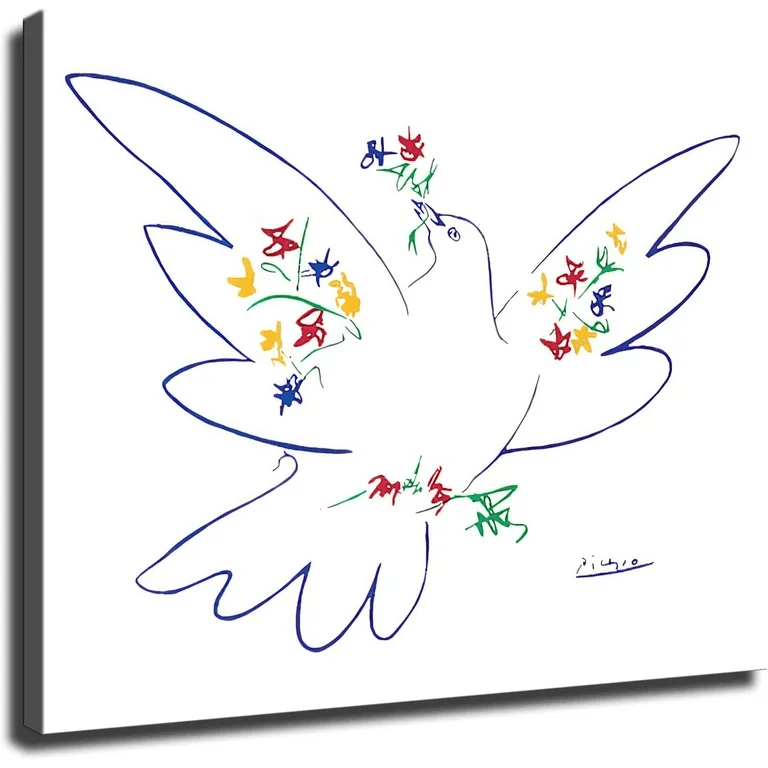
Ekecheiria is the spirit that represents truce, armistice, and the end of hostilities.
The original Olympics began in Ancient Greece somewhere around 884 B.C., as a religious festival, honoring deceased heroes and various Gods, namely Zeus, the King of all Gods. No fighting or war was allowed among soldiers during the Olympics, since it was a time to respect the Gods, and a time of peace among one another.
This truce, or “ekecheiria,” means “holding of hands.” The term is Inscribed on a bronze diskos displayed at Olympia, Greece.

The ancient Greeks believed strongly in the concept of “Agon,” or “competition” and were highly competitive. The Greek word “Athlete” is a combination of two words “athlos” and “ego.” Together, these words imply the struggle for the improvement of one’s character.
Therefore, the games became about being the best athletes they could be, not only physically, but also morally and spiritually. The athletes were required to relinquish any sense of self-arrogance and enter the stadium with a contrite heart, without anger, hatred or fighting.
The ancient Olympiads also had a strong sense of Philoxenia for their competitors, which means the “love of foreigners or strangers.” The Olympic Games attracted athletes from all over the Greek world.
With the secularization of the Olympic Games around 420 A.D., much of the original significance was retained and can still be seen in today’s games. The Olympics continue to represent virtue, hospitality, peace, unity and diversity, bringing all of humankind together.
The Olympic Rings symbolize the union and meeting of the five continents, and the flame spreads a message of universal peace. At the start of every Olympics, a flame is lit in Olympia, Greece, and the Olympic Torch is then carried to the host city, establishing the connection between the ancient and modern Olympic Games.
Let’s remember the President of the International Olympic Committee Thomas Bach’s words at the 2022 Winter Olympic Closing Ceremony:
“Each and every one of you strived to achieve your personal best. We were deeply touched how you were wishing and cheering for your competitors to achieve their best as well.
You not only respected each other. You supported each other. You embraced each other, even if your countries are divided by conflict.
You overcame these divisions, demonstrating that in this Olympic community, we are all equal. We are all equal – regardless of what we look like, where we come from, or what we believe in.
This unifying power of the Olympic Games is stronger than the forces that want to divide us: you give peace a chance. May the political leaders around the world be inspired by your example of solidarity and peace.”
President Bach’s words echo the spirit established during the very first Games, that can also be found in the resolution adopted by the United Nations called, “Building a peaceful and better world through sport and the Olympic ideal.”
The resolution “calls upon all Member States to cooperate with the International Olympic Committee to use sport as a tool to promote global peace, dialogue and reconciliation.
The Olympic flame is meant to symbolize that the underlying goodness and strength of the human character can never be put out and will always prevail, even in what seems the darkest of times.
The ancient Olympiads also had a strong sense of “Philoxenia” for their competitors.
Philoxenia is the spirit that represents “love of strangers” or “turning strangers into friends.”
The Olympic Games attracted athletes from all over the Greek world. It’s a concept of hospitality that involves welcoming and being generous to strangers, regardless of circumstances or social class.
In Ancient Greece, hospitality was a value ranking highest on the list of virtues. It was vitally important to welcome a stranger from out of town into one’s community and home and considered sinful against God to turn away a weary or hungry traveler or visitor.
Helping a stranger in need was an opportunity for one’s own salvation, good standing and health for the entire community. The belief was, and still, is that people and communities benefit greatly, physically, mentally and spiritually, to step outside of oneself / itself and their comfort zone to give a hand up to those in need, welcoming and accepting others to become insiders, rather than outsiders.
Lent, much like the inspiration for the original Olympics, is a time to reflect on how we can become the best that we can be in the eyes of God and also humankind.
In the Eastern Orthodox tradition, like in the Western tradition, Lent lasts for 40 days, while the Olympic Games occur every four years, in order for the athletes to train to be the best they can be, both physically and ethically.
Let’s reflect on being the best we can be both physically and morally, as individuals, community members, and as a nation of the world.
 The Cultural Easton