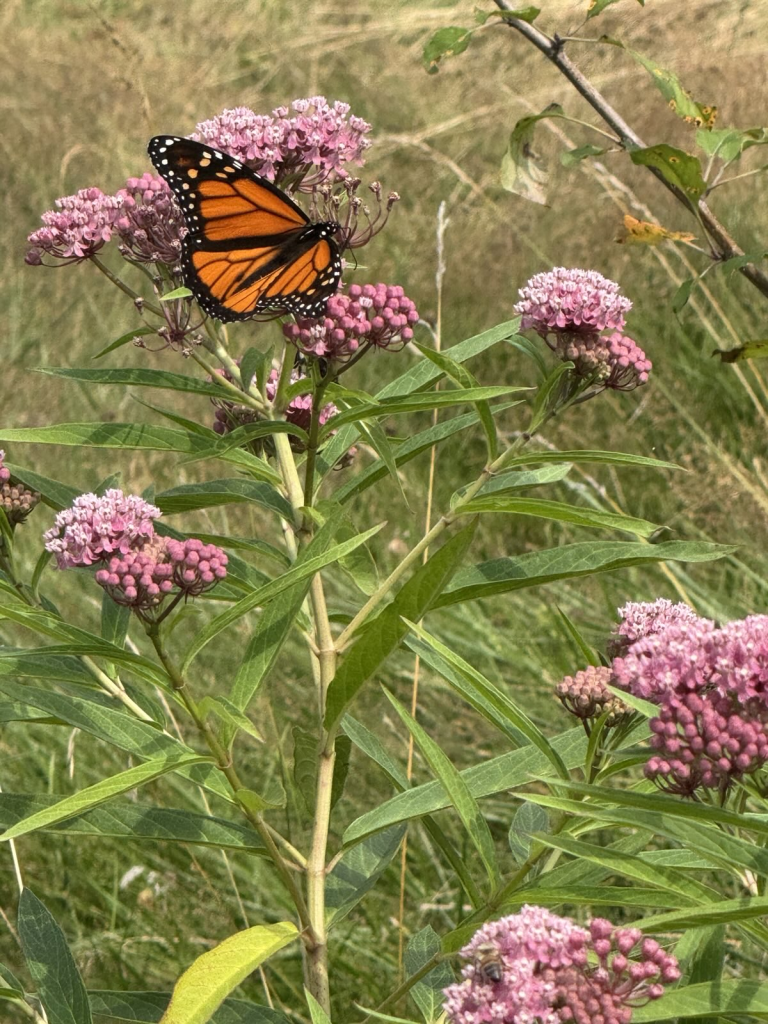
For as long as the United States has existed, Americans haven’t been big fans of monarchs. Unless we’re talking about the winged kind.

Easton, a town whose prior residents helped to overthrow King George almost 250 years ago, now serves as a welcoming ecosystem for the beloved monarch butterfly. The town’s preserves, farms, forests, and open space provide services that help protect this challenged species. And just like the Sons of the American Revolution buried in our cemeteries, today’s residents can play a vital role in shaping the future of our favorite monarch. No offense to the late Queen Elizabeth.
Monarchs rely on milkweed plants for survival. It’s the only plant where they’ll lay their eggs, and the sole food source for their caterpillars. Preserves like Randall’s Farm provide hundreds of milkweed plants, and many homeowners now include species like Asclepias syriaca (common milkweed) or Asclepias tuberosa (butterfly milkweed) in their pollinator gardens.
But if we want to give monarchs a real shot at adapting to our rapidly changing world, we’ll need more than milkweed, we’ll need diversity. One of the largest barriers to biodiversity in Easton is the dominance of manicured, monoculture lawns. While they may look tidy to some, to others (like bees and butterflies), they’re ecological deserts. Choosing to plant milkweed is a great first step, but pairing it with a mix of nectar-producing native plants creates a far more powerful butterfly effect. Pun intended.
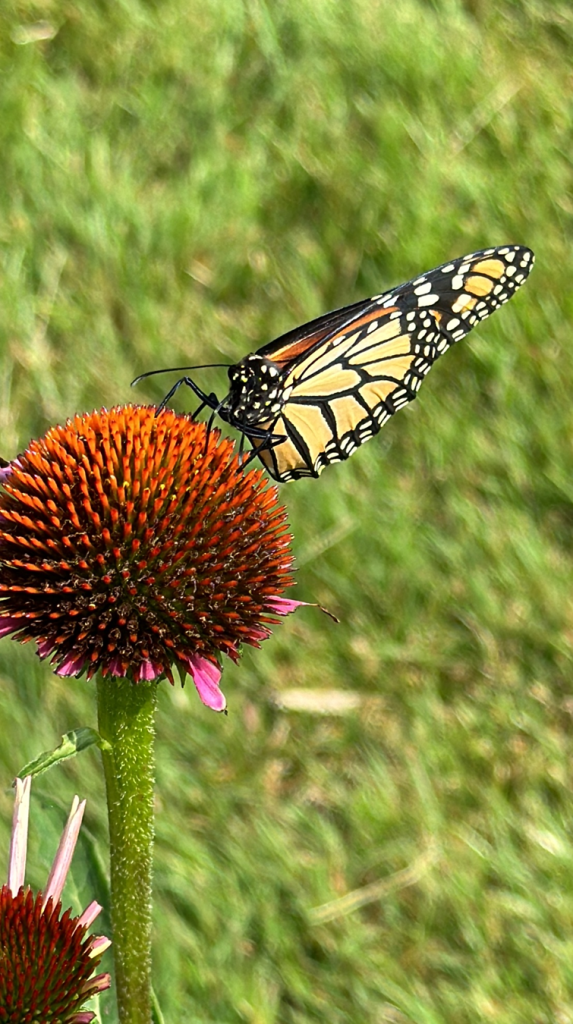
As it turns out, when you create a diverse garden that supports monarchs and other pollinators, everybody wins. One study found that monarchs laid over 20% more eggs in diverse gardens compared to monocultures of just milkweed. A varied landscape helps pollinators find food, shelter, and protection from predators, essential for surviving both summer and climate uncertainty.
Easton already has a leg up in helping at-risk pollinators. Community trends like No Mow May and the Aspetuck Land Trust’s “Less Lawn, More Life” campaign go a long way. But the most glaring weak spot in our local efforts remains the giant parking lots with sprinklers. Those expansive rectangles of grass that provide no ecosystem services and suck up water like sponges in a drought.
Another way residents can help? Join the ranks of citizen scientists. Apps like iNaturalist let you snap pictures of insects, plants, and other wildlife, and then use artificial intelligence to identify the species. This crowdsourced data becomes a powerful tool for conservationists trying to track the impacts of climate change in real time.
And while the milkweeds are blooming now, keep your eyes open: it’s also peak survival season for the multicolored monarch caterpillars munching away on those leaves. A recent study using artificial caterpillar models showed that July is the most dangerous month to be a monarch larva, with predation risks peaking mid-summer. The takeaway? Every safe milkweed patch counts.
The good news is that Easton still has time to be a leader, not in terms of pesticide application and perfect lawns, but with wildflowers, native plants, and a reawakened wild spirit. Trade a strip of your lawn for a living ecosystem. Snap a picture. Tell your neighbor. Let’s make Easton a town where the butterflies rule.
Further Reading:
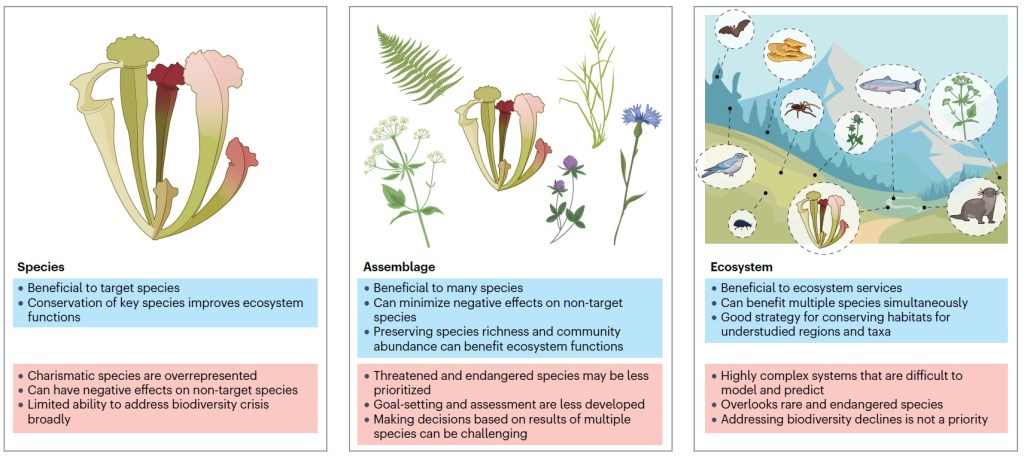
Belitz, M.W., Campbell, C.J., Drum, R.G. et al. A case for assemblage-level conservation to address the biodiversity crisis. Nat. Rev. Biodivers. 1, 134–143 (2025). https://doi.org/10.1038/s44358-024-00014-9
Baker, A.M. Assessing predation of monarch butterfly (Danaus plexippus) larvae using artificial caterpillar models. Sci Rep 15, 22147 (2025). https://doi.org/10.1038/s41598-025-07516-2

