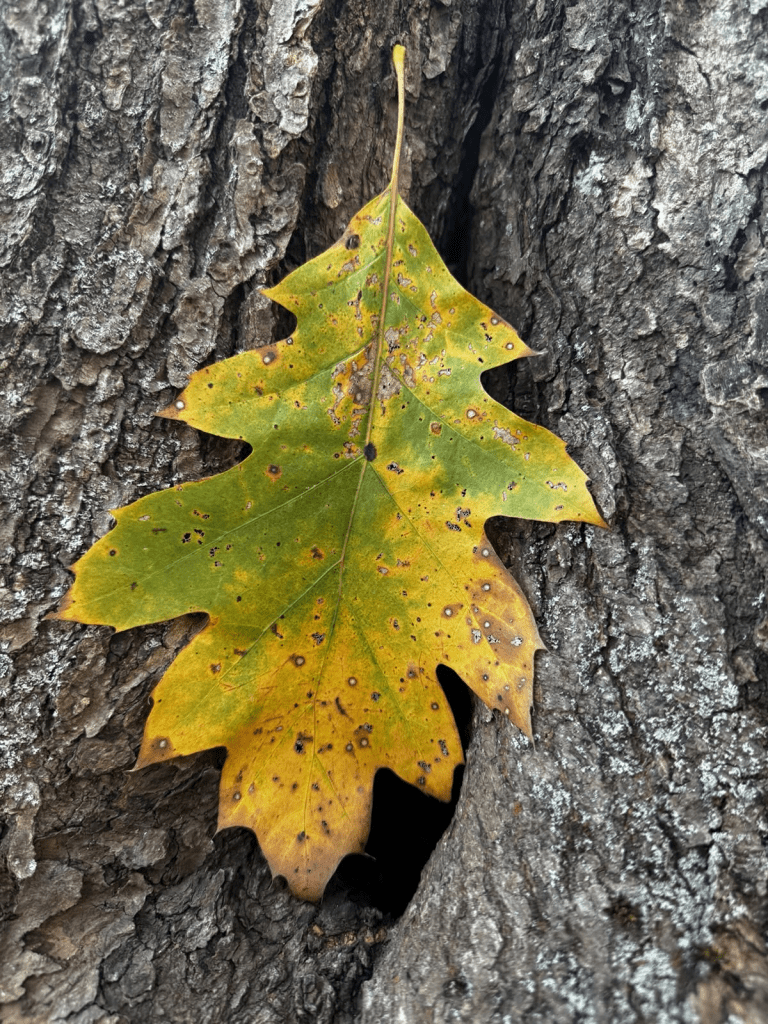
As fall winds down, the clocks roll back, and winter’s chill starts to take hold, a familiar noise begins to fill the air. You may be trying to sleep in on a peaceful Saturday morning only for the incessant whine of a small gas motor to disturb your moment of Zen. That’s right, it’s fall cleanup season. Nobody is a fan of litter strewn around their property, but it’s easy to make a case that leaving the leaves produces good litter.
In the face of the interrelated climate and biodiversity crises, skipping the leaf collection part of your fall cleanup is one of the easiest ways your actions, or in this case, inaction, can help the planet. By doing less, you’re adding more life and helping mother nature heal. Not to mention reducing the detrimental air quality impacts of those tiny engines and their associated noise pollution.
When the tree leaves turn from green to their brilliant reds, oranges, and yellows it’s a sign that the tree is reabsorbing nutrients like nitrogen and phosphorus and sending them down into its roots. The energy captured in the leaves in the photosynthesis process is stored internally in the tree, allowing it to survive over the winter. Each leaf can be thought of as a chlorophyll factory, and once the compound is broken down the leaf will fall. Photosynthesis ends with the fall from the tree, as each leaf punches the clock at the factory and heads to the ground.
Photosynthesis may end when the time clocks are punched, but the life of the leaf continues. The energy once stored in it becomes part of nature’s complexity. A plethora of wildlife and even the soil itself benefit from fallen leaves in countless ways. So rather than blowing them into a pile and bagging them up, consider letting nature function as intended. Leaf litter is used by everything from ants to wasps as a micro-ecosystem to support life over the winter. Insects use fallen leaves as insulation to take the edge off winter’s chill. Butterflies and moths overwinter in barely visible cocoons and chrysalises. Leaving the leaves allows the whole system of life to flourish.
Ground nesting birds like thrushes visit piles of leaves to forage for these insects and for nesting materials. Chipmunks too use leaves for insulation and shelter, keeping warm and out of sight of predators while waiting for spring to come again. When the leaves start to decompose, fungi, bacteria, and mycorrhizal networks breathe further life to the cycle, providing fuel for the next generation of plant growth to thrive.
Ways to “leave the leaves” include letting them rest where they fall, piling them in garden beds as free, nutrient-rich mulch, or layering them around the base of trees to insulate roots and fuel next year’s growth.
Leaf litter is the only type of litter one can enjoy with no associated responsibility. Unlike a litter of puppies, there’s no house breaking or training for the leaves strewn about a yard. Unlike the litter that most residents pay to have removed from their property, leaving the leaves flips the relationship, costing less to keep nutrient-rich material as an ecological asset.
As winter blows in and the temperatures drop, try to think differently about the resources like leaves on your fall to-do list. You can use them playfully by stuffing a scarecrow for Halloween, then dump them into a garden bed. That’s two free uses for something you would have otherwise paid to have taken away. At the very least, you can mulch the leaves into your lawn as free fertilizer.
That’s a win for the planet and your wallet. Leave the leaves, and let nature thrive in Easton!