In 1984 a catchy Wendy’s commercial featured an old woman maniacally driving to McDonalds and Burger King loudly questioning “Where’s the beef?” This winter in Easton, the answer to her question is Shaggy Coos Farm and its winter community supported agriculture (CSA) system.
Unlike running to the grocery store to pick up essentials for dinner, CSAs offer consumers an opportunity to buy shares of a farm’s harvest. Throughout the season, the farm provides regularly scheduled deliveries of produce, or in this case meat, pork, poultry, milk, and eggs. This season, Shaggy Coos is offering residents fresh food all winter long. Starting in December and lasting until April, the farm is offering plans from a quarter share (6-7 pounds of meat, $800), half share (11-14 pounds of meat $1,250), to a Cadillac full share (20-23 pounds of meat, $2,000) each month.
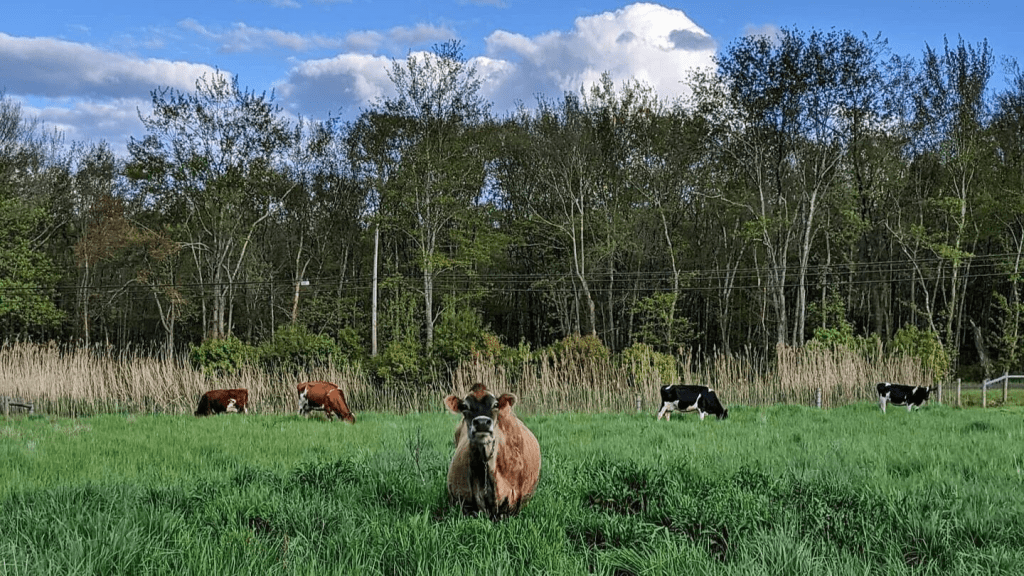
Participants in the program get to enjoy the quality essentials for which Shaggy Coos is known while supporting our local community. But that’s not all. By skipping the grocery store, you’re also making a positive impact on the planet.
Commercial beef production is notoriously bad for the environment. Yes, cows do burp methane gas, but raising them also contributes to deforestation, water pollution, and biodiversity loss. Beef has the largest carbon footprint of any food and the water usage needed to raise cattle is immense. But that’s not all. The meat industry with its various brands on store shelves is not as it seems. Decades of consolidation and acquisitions mean that the choices you see in the store are not independent. Like many other aspects of today’s economy, it’s an illusion of choice.
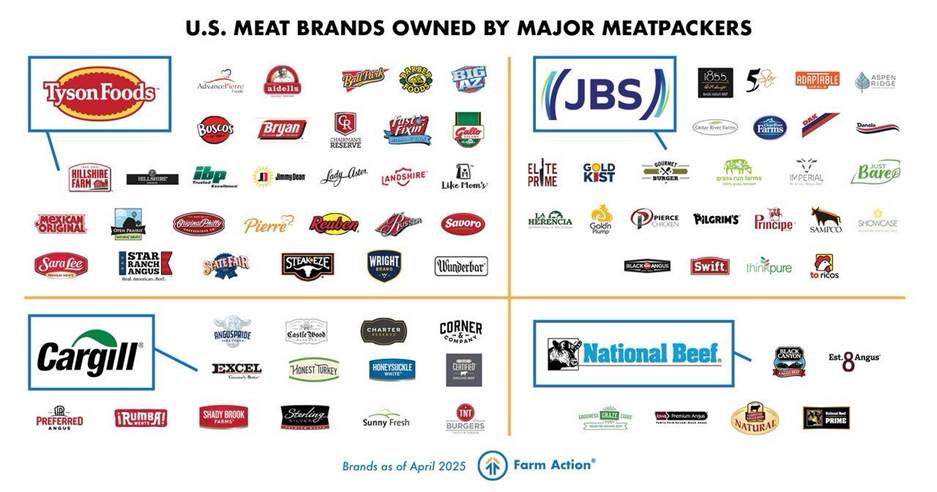
Meat sold in the U.S. falls under many brand names, but almost all of them are owned by only four primary meatpackers: Tyson Foods, Cargill, JBS, and National Beef. When you buy a Swift pork tenderloin, you’re supporting Brazilian meat giant JBS, which currently holds a $14.7 billion market capitalization. Those Aidells sausages that you can pick up in a multi-pack at Costco, they’re owned by $19.2 billion Tyson Foods. Tyson is an American company at least, but unlike Brittany at Shaggy Coos, its CEO enjoys a multi-million dollar pay package tied to a focus on the bottom line. Shaggy’s focus, on the other hand, is on a more sustainable food web and taking good care of their livestock.
It’s easy to see how much of a difference supporting local can make. Instead of a trip to Fairfield or Trumbull to visit the grocery store, a once monthly local pickup of quality meat saves you miles on the odometer and the gas in your tank. On top of that, you know exactly where your meat comes from. As the Amazon rainforest deteriorates under the weight of industrial and illegal deforestation, the JBS product on the shelf at your local grocer is a part of the problem. Farms like Shaggy Coos are a part of the solution.
Pickups for Shaggy Coos winter CSA start in the first week of December. You can purchase a share directly from the Shaggy Coos website (https://www.shaggycoos.farm/shop). Our clan is in for a half share, and the kids are very much looking forward to demolishing the creamline chocolate milk the same day we pick it up. I get to look forward to the good feeling I’ll get when fixing a dinner produced by people I know, in a town that I love.
It doesn’t get much better than that.

