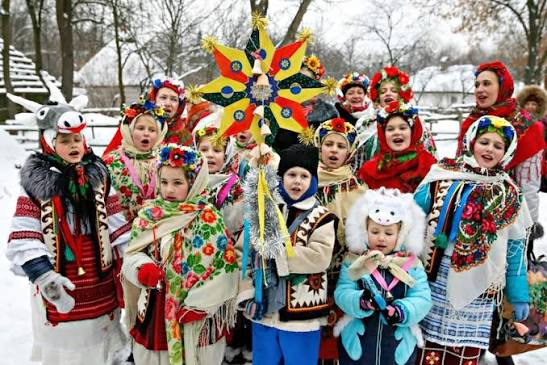
The 25th of December is a day that is celebrated throughout the world and due to the diversity of cultures, different countries celebrate it with their own mix of traditions.
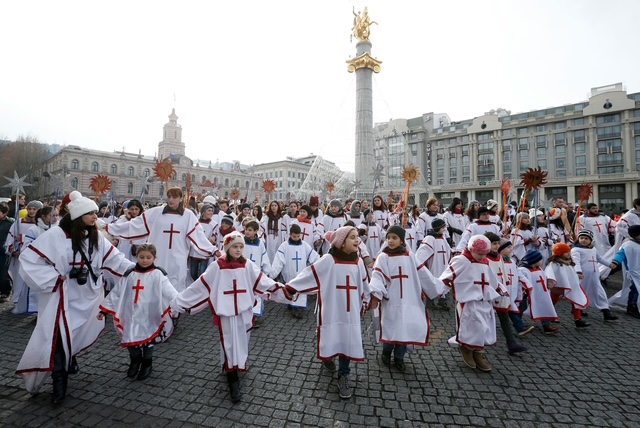
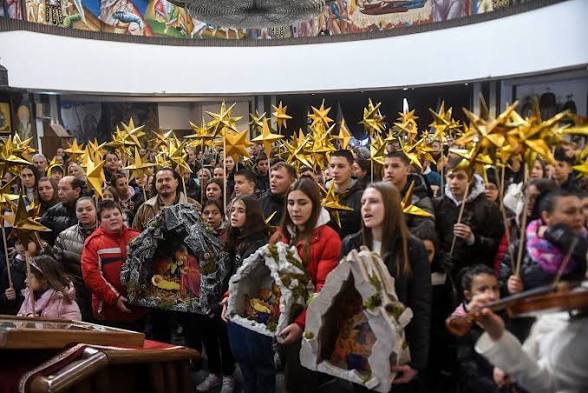
Christmas is more purely a religious feast in Orthodox Christian tradition-it is not as commercial as in some other parts of the world. For most Orthodox Christians it is a time of fasting, prayer, worship, sacraments, spiritual renewal and philanthropy.
While many of the external trappings are the same, like Christmas trees, wreaths, ribbons, and gifts, there is an increased emphasis on the spiritual reality of this truly miraculous and Divine Mystery of God becoming man, so that man may be united to God and each other.
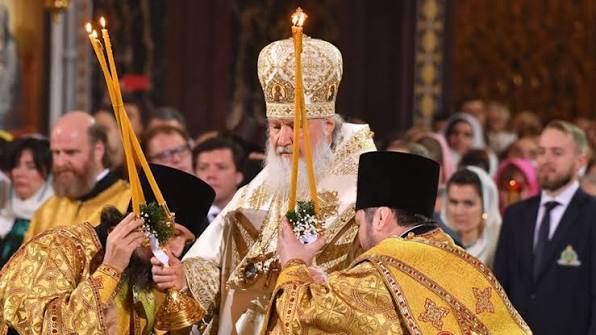
On Christmas Day, Orthodox Christians will attend the Divine Liturgy and receive the Holy Eucharist or Holy Communion. It is traditional to light candles in honor of Jesus, as “Light” of the world.
The food traditionally associated with Christmas depends on the location and culture of the people celebrating. Orthodox Christmas food ranges from lamb, roast pork, turkey or baked ham.
In Russia and Ukraine, the Christmas Eve feast includes twelve different foods (symbolic of the Twelve Apostles), including the traditional Kutia which is made from cooked wheat, honey, poppy seeds, raisins and occasionally walnuts. It is a kind of Christmas porridge, with the seeds included as a symbol of hope for the year ahead. The meal can contain fish but not meat.
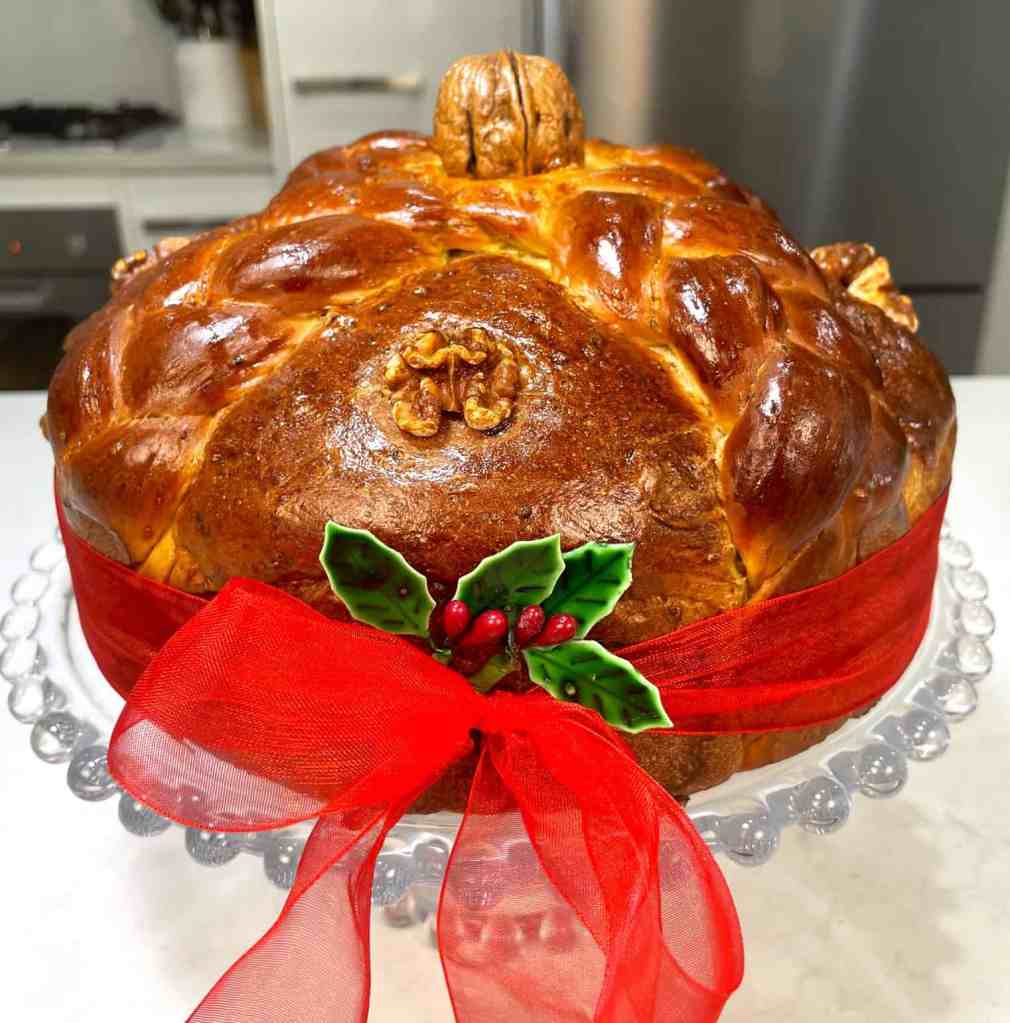
In the Greek Orthodox tradition, baklava, kourabiethes, koulourakia, melomakarona, and other traditional pastries are baked on Christmas Eve. while Christopsomo is the bread baked on Christmas Day, which s broken into pieces by the head of the family and piece is given to each family member, a valuable possession, and a piece for God. A coin is hidden inside the bread, and whoever gets the coin will have a special blessing. Lamb is the traditional meat served with n Christmas Day at the Greek table. Spanikopita (spinach pie) and Tryopita (cheese pie) are also a tradition.
There are, however, Orthodox Christians that do not celebrate Christmas on December 25th but use the Julian calendar, created under the reign of Julius Caesar in 45 BC. and have not adopted the Gregorian calendar, proposed by Latin Pope Gregory of Rome in 1582. There are 13 days in difference between the two calendars. December 25th on the Julian calendar actually falls on January 7th on the Gregorian calendar.
As always, our hearts and prayers are with the people of Ukraine during this difficult time.
Merry Christmas, Happy New Year and peace to everyone.