Spring is in full swing, and Easton is looking renewed. One thing has stayed though. “Protect the Watershed – Don’t Break Zoning” signs are still prominent on lawns around town. Though they’re a little more worn down after the rough winter, their message still speaks loud and clear. The snow has, of course, moved on, with the melting water seeping through lawns and leaf litter, through roots and stones before eventually reaching one of the town’s reservoirs.
Two housing proposals are currently threatening the watershed. Saddle Ridge, off of Bibbins Road, is proposed to convert 125 acres of forest to a development of 26 homes, each with its own septic system and well, in the town’s first use of Section 5900 “Conservation Development” zoning. Plum Tree Lane, straddling the town line with Trumbull, is facing a developer looking to use the state’s 8-30g statute for a high-density housing complex. The law, enacted in 1989, allows affordable housing projects to override local zoning restrictions if less than 10% of a town’s housing stock qualifies as affordable.
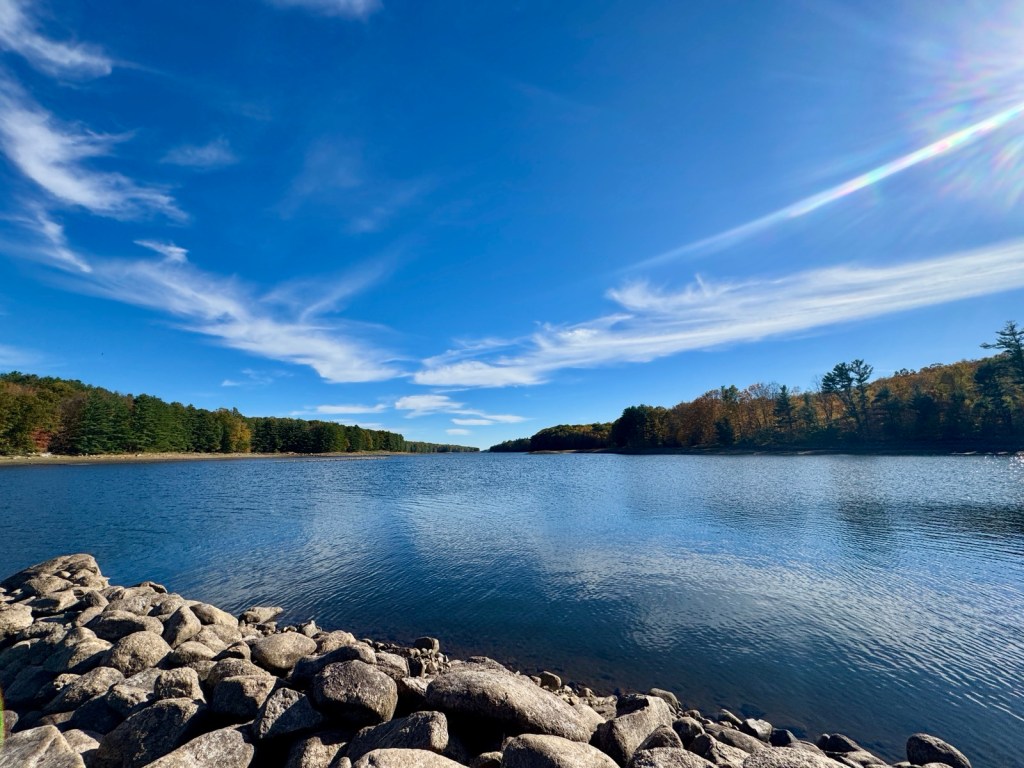
The proposals may be backed by differing mechanisms, but both are pressuring the interconnected network of forests, wetlands, streams, and aquifers that have supplied clean drinking water to hundreds of thousands of people for more than a century. Both are also sought in the name of profit, treating natural resources as something to be maximized for return on investment. But Easton’s water resources aren’t alone. The same dynamics play out on the world stage as well. Globally, water is becoming more scarce, and Wall Street has taken notice.
A recent piece on investing in the age of water scarcity from Goldman Sachs Asset Management looked at water as an asset class. The report, titled “Finding Investment Opportunities in the Global Response to Water Stress,” laid out the scale of the crisis in clear terms. Agriculture is the biggest user of water and takes about 70% of freshwater withdrawals. Two summers ago, on a family trip out west and heading from Bryce Canyon to the Grand Canyon, fields of alfalfa alongside the road were sprinkler irrigated in the middle of a 90-degree day. I was shocked at the inefficient use, but also not surprised. Another big source of water demand has also taken off recently in the form of artificial intelligence. Crops are thirsty, but so are the servers at data centers where hyperscalers like Amazon, Microsoft, and Google train and run AI models. Combine the two, and you get the secular tailwind to water as an investment.
The GSAM piece frames the investment case for various businesses set up to profit from this trend. The bank’s pitch is honest about what it is, seeking ways to make a buck from the growing problem that impacts not only the market, but all life on the planet. Water stress is treated as a market signal, where risks need to be managed and margins can be enhanced. Big agriculture’s inefficient use of the resource becomes an efficiency opportunity and the cooling needs of data centers becomes a tailwind instead of a constraint. A question Easton routinely recognizes in its protection of the watershed is missed entirely. Should the demand for water be met at all, here, and in this way?
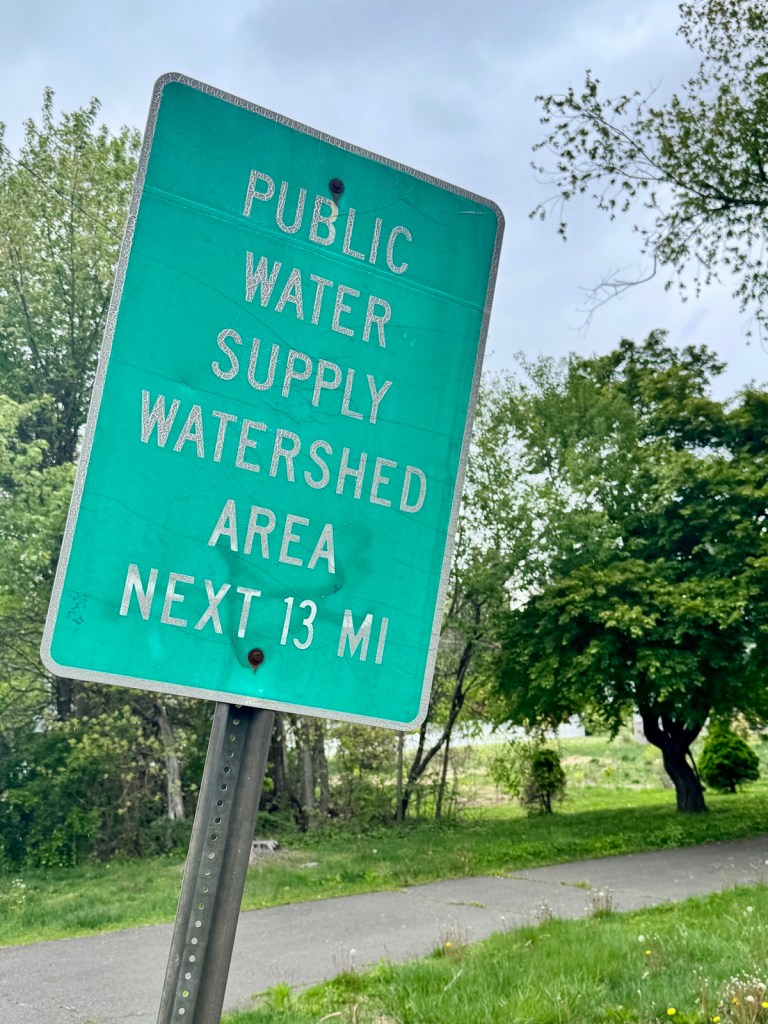
For more than a century, Easton’s answer to this question has been a loud and rightfully stubborn no. Not a no to growth in general, the town has certainly grown, but no to a version of growth that treats a forested aquifer recharge zone as undervalued real estate. Our reservoirs, three-acre zoning, preserved open space, small farms, and protected forests held first by the Bridgeport Hydraulic Company, then by Aquarion, and now by the Regional Water Authority aren’t historical accidents. They’re an accumulated record of people choosing to say no over and over when a developer’s spreadsheet suggested a resounding yes.
We are the ones now responsible for adding to that record. As summer saunters in and the need for water rises, try to do what you can to make it a story you’ll be proud to tell. Use water efficiently, minimize the chemicals you use in lawn care, install native plants that require less water, and pay attention to what goes on in town conservation and zoning meetings. Speak up for the watershed, which provides so much to so many people but lacks its own voice.
 The Cultural Easton