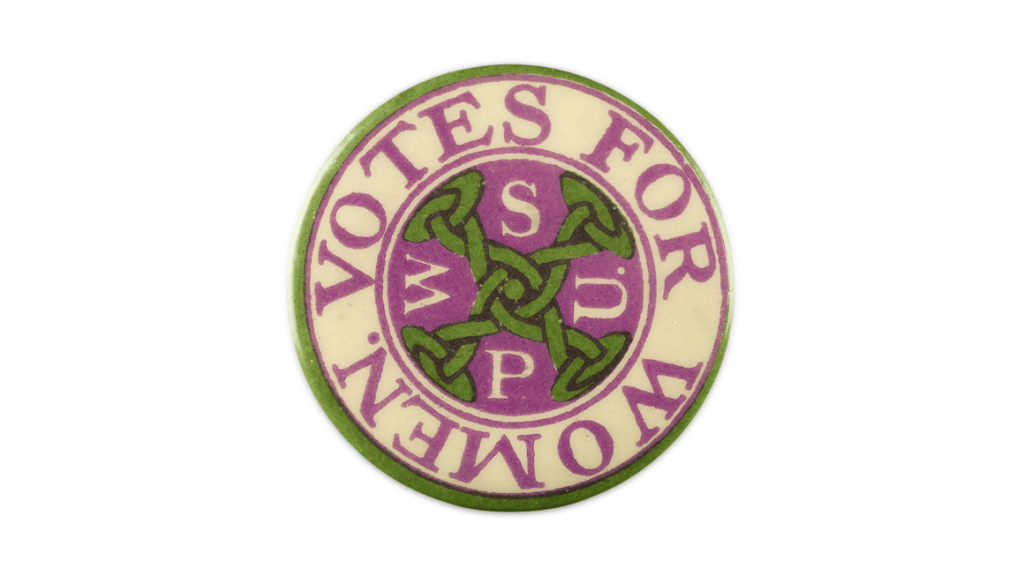
Susan B Anthony was arrested in 1872 and found guilty in a widely publicized trial that gave the suffragette movement momentum.
Early suffragists grew out of the abolitionist movement, while Black women, and other women of color fought a battle for both gender and racial equality
During the 19th and 20th centuries, Black women played an active role in the struggle for universal suffrage. They participated in political meetings and organized political societies. African American women attended political conventions at their local churches, where they planned strategies to gain the right to vote. They worked for newspapers, secondary schools, and colleges, which gave them a large vocal platform.
Black men and white women usually led civil rights organizations and often excluded Black women from their organizations and activities. The National American Woman Suffrage Association prevented Black women from attending their conventions, forcing them to march separately from white women in suffrage parades, ignoring the unique challenges that Black women faced.
When Elizabeth Cady Stanton and Susan B Anthony wrote the History of Woman Suffrage in the 1880s, they featured white suffragists, ignoring the contributions of African American suffragists.
Mary Black, Mary Anne Shad, Sojourner Truth, Josephine St. Pierre Ruffin, Nannie Helen Burroughs and Ida B. Wells, were just a few prominent Black women who joined forces with the suffragette movement to fight for all women’s right to vote. They women believed that the issue of suffrage was too large and complex for any one group or organization to tackle alone.
They hoped that different groups would work together to accomplish their shared goal. They spoke about the need for Black and white women to collaborate and join forces to achieve the right to vote.
Black women worked with mainstream suffragists and organizations, like the National American Woman Suffrage founded the National Association of Colored Women (NACW) in 1896. After the Nineteenth Amendment was ratified in 1920, Black women voted in elections and held political offices.
But the fight wasn’t over. Many states passed laws that discriminated against African Americans and limited their freedoms. African Americans worked over several decades to secure suffrage, which finally occurred when the Voting Rights Act passed in 1965. This Act represents more than a century of work by Black women to make voting easier and more equitable.
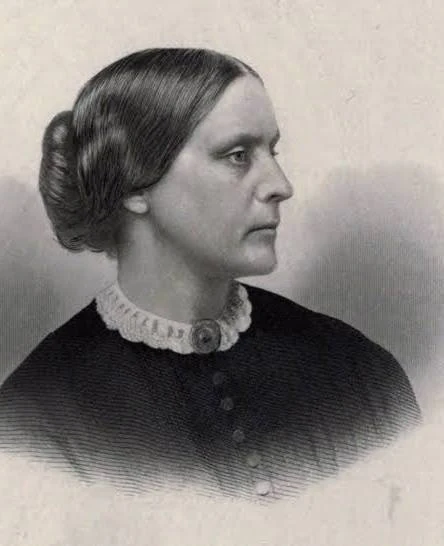
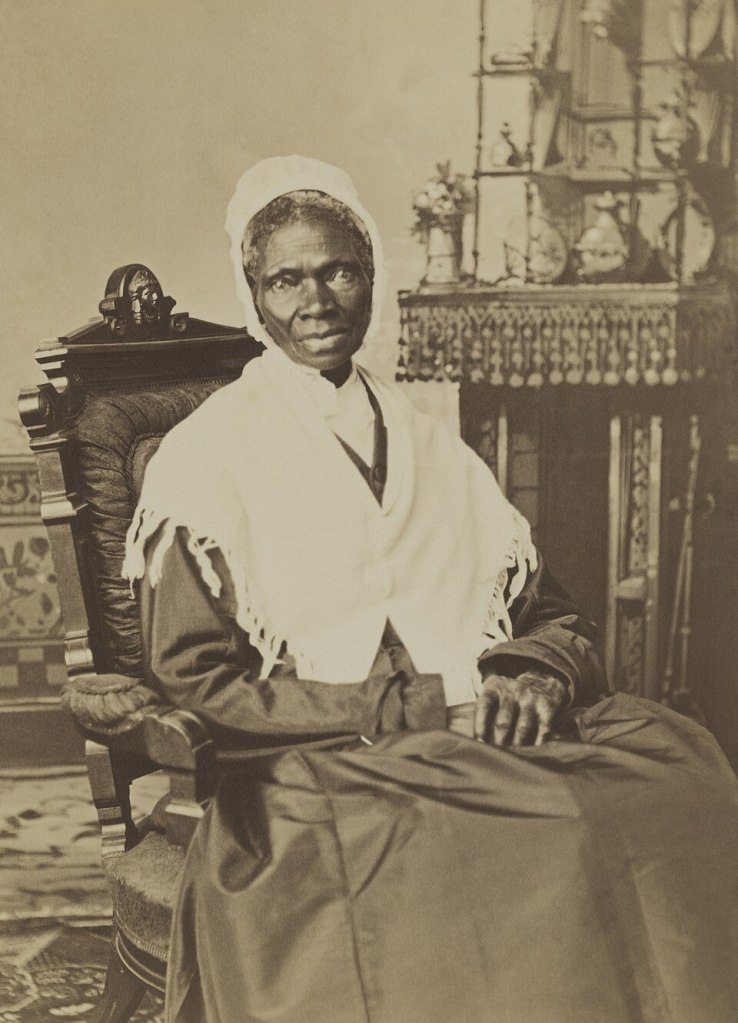
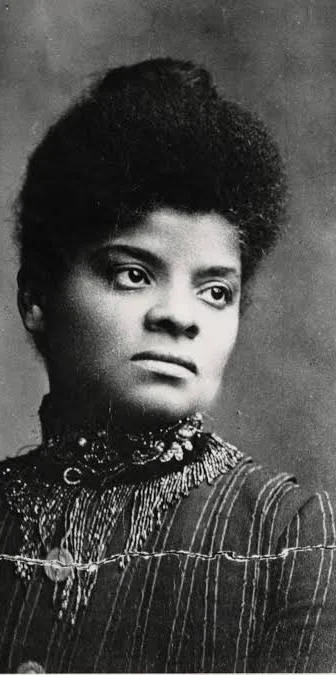
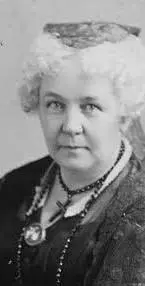
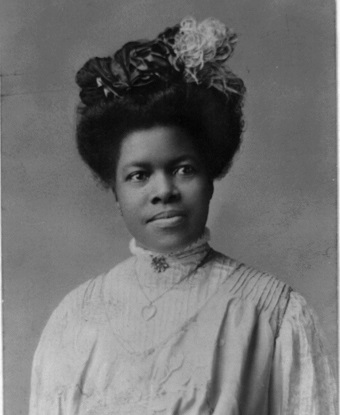
Images: Susan B Anthony, Sojourner Truth, Ida B Wells, Elizabeth Cady Stanton, Nannie Helen Burroughs
 The Cultural Easton