“The world cannot be discovered by a journey of miles, no matter how long, but only by a spiritual journey, a journey of one inch, very arduous and humbling and joyful, by which we arrive at the ground at our feet, and learn to be at home.”
-Wendell Berry
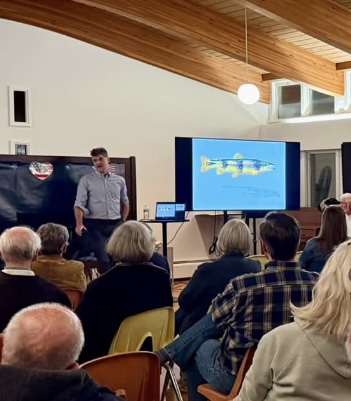
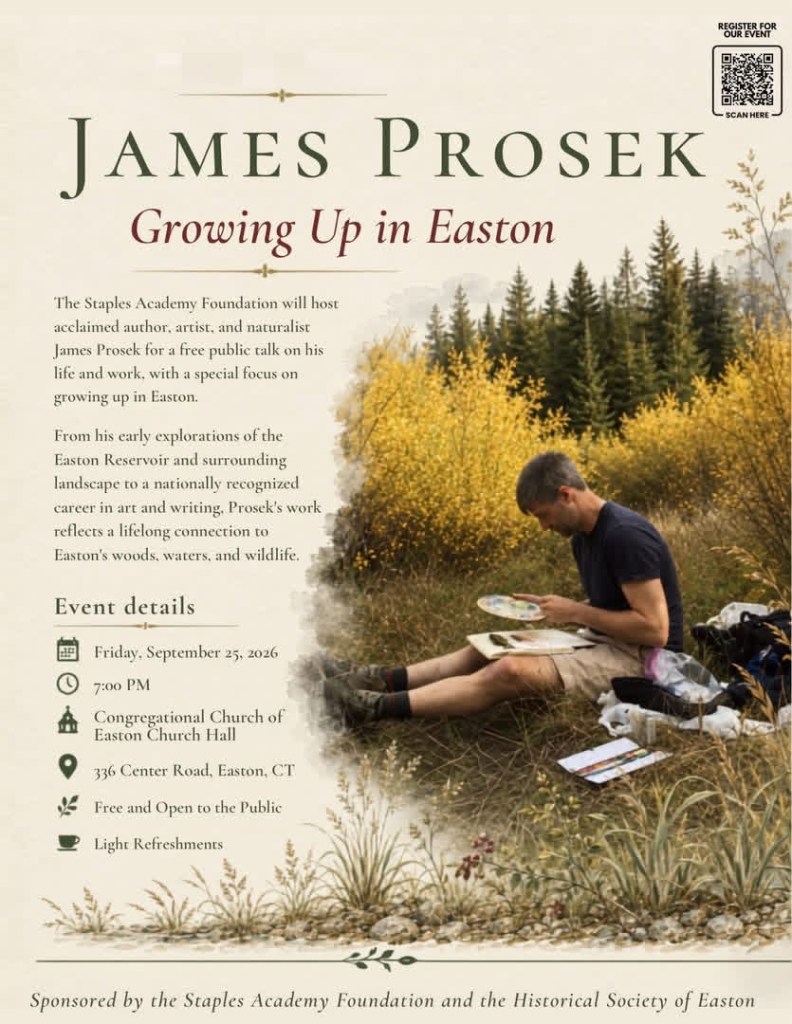
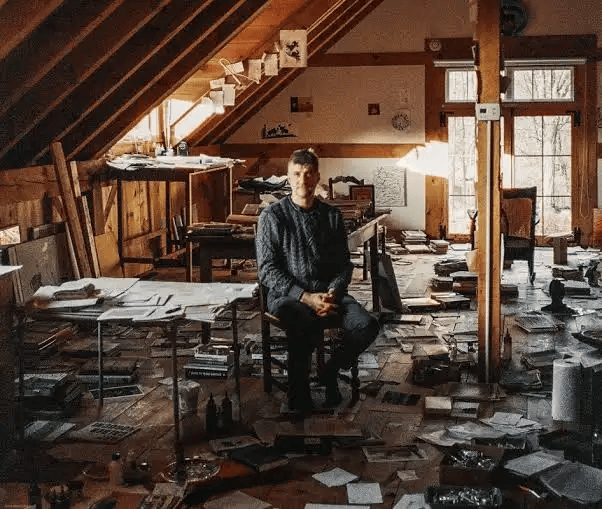
Artist, writer and environmentalist, James Prosek, recently gave a presentation about his formative years as an artist, at the Congregational Church of Easton Church Hall.
At age 51, James still resides on the same road in Easton that he grew up on, with his wife Lauren and son Cody, and strolls down the same path to the reservoir, at the end of his road, to go fishing with his son.
James’s father, Louis, a former Merchant Marine, who later became a science teacher, influenced James’s love of nature and the naming of different types of species, particularly birds.
James’s fascination with identifying these birds, transferred over to the fish he’d catch in the local reservoirs.
He explained how the “No Trespassing” signs that marked the outer edges of the reservoir, sparked a curiosity in him, to explore beyond the perimeters of those invisible boundaries.
And there, his love of fishing and painting the fish he caught, was born.
He shared an amusing story about being caught fishing with a school pal when he was 13, by Joe Haines, the game warden. James’s friend ran away, while James stayed to face the consequences. Rather than getting into trouble, Joe became a mentor to James, teaching him even more about fishing and local trout. James’s gratitude towards Joe is documented in one of James’s many books about fishing, entitled Joe and Me.
During summers throughout high school, James traveled around the country, in search of different types of trout. He would catch the trout, document where he caught them, take a picture in its full translucence and send it back into the water.
He would then create a painting from the photograph, which would spark a remembrance of the feeling he experienced when catching the fish. He also contacted fishermen from around the country and asked them to send him pictures and the names of the different trout from their specific regions. James received an overwhelming positive response.
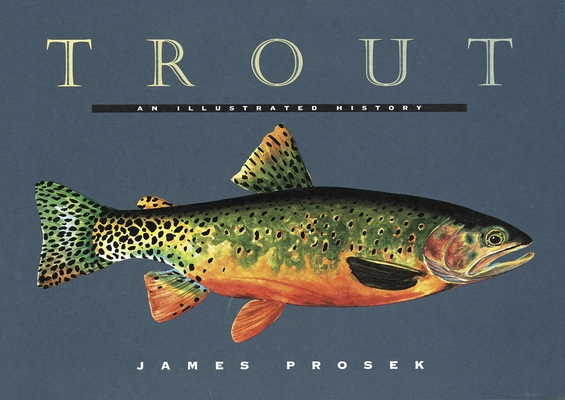
In 1996, at age 20, while an English major at Yale, James published his first book, Trout: An Illustrated History, published by Alfred A. Knopf. His book includes over 70 watercolor paintings of different species of North American trout.
As James evolved as an artist, his art books and writings all circled back to a theme that has occupied James’s thoughts, since he was eleven years old: how humans have the need and desire to classify and label.
He tells us,
“The lines we draw between things, the categories into which we place things, the structures we impose on the world to communicate, and the choices we make based on our personal prejudices can shape not only the way we and others think, but also, the future of ourselves as a species, and the future of nature.”
That’s where his art comes in, since it can better communicate those mysterious and undefined places in between.
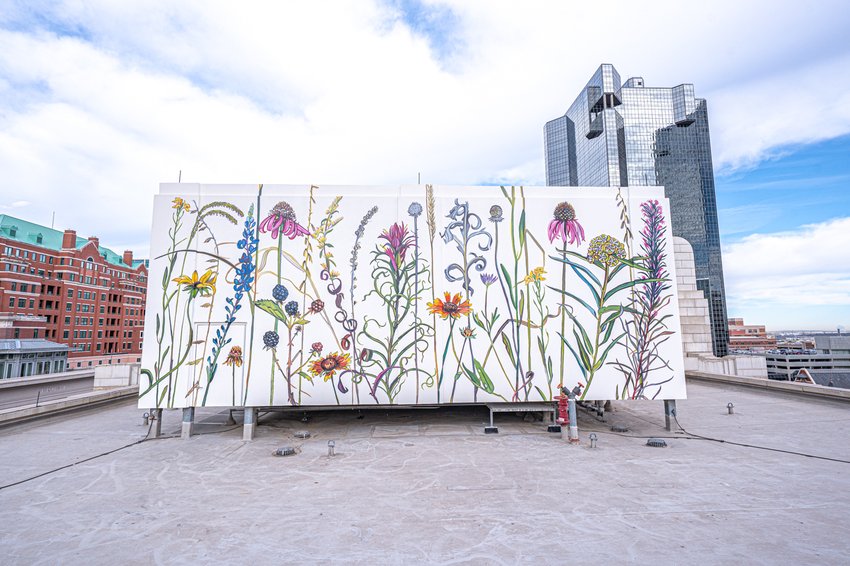
His latest works have evolved from painting trout; to creating depictions of hybrid animals that capture the idea of those undefinable spaces that language can’t identify; to native grasslands of different regions and how they’ve been endangered by monoculture farming.
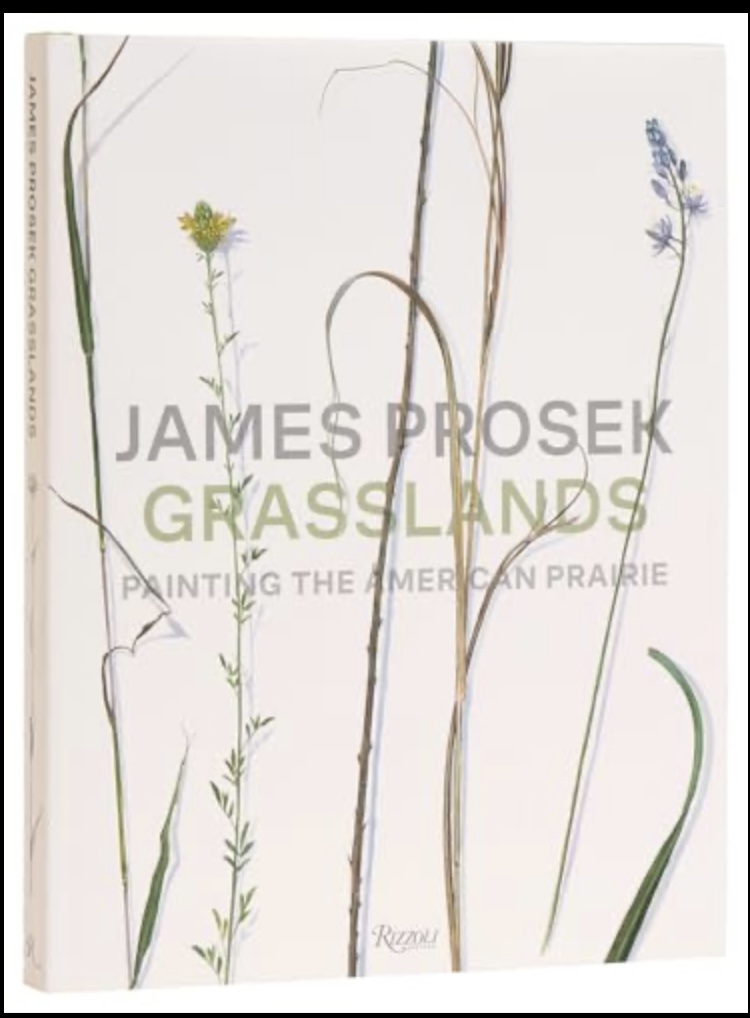
His latest book, Grasslands: Painting the American Prairie, tells a story in pictures of the threatened native grasses of the Northern Texas prairies.
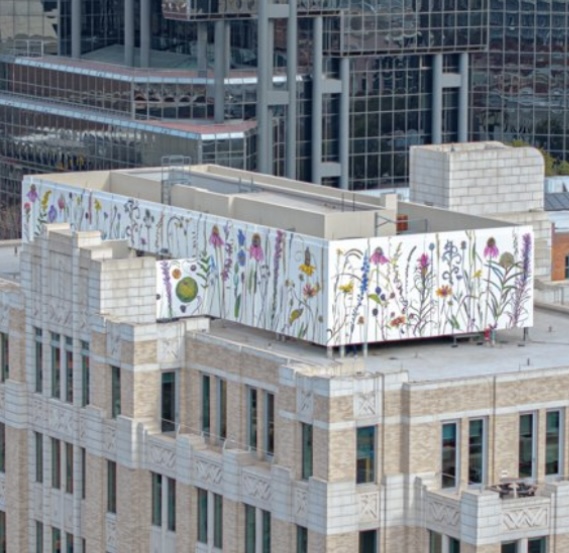
From this project and exhibit at Amon G. Carter Museum of American Art, James was commissioned to create what may be the world’s largest prairie mural on top of the Westbrook Building in Sundance Square in downtown Fort Worth, Texas. The mural stretches across 300 feet and is 15 feet high, totaling 5,000 square feet.
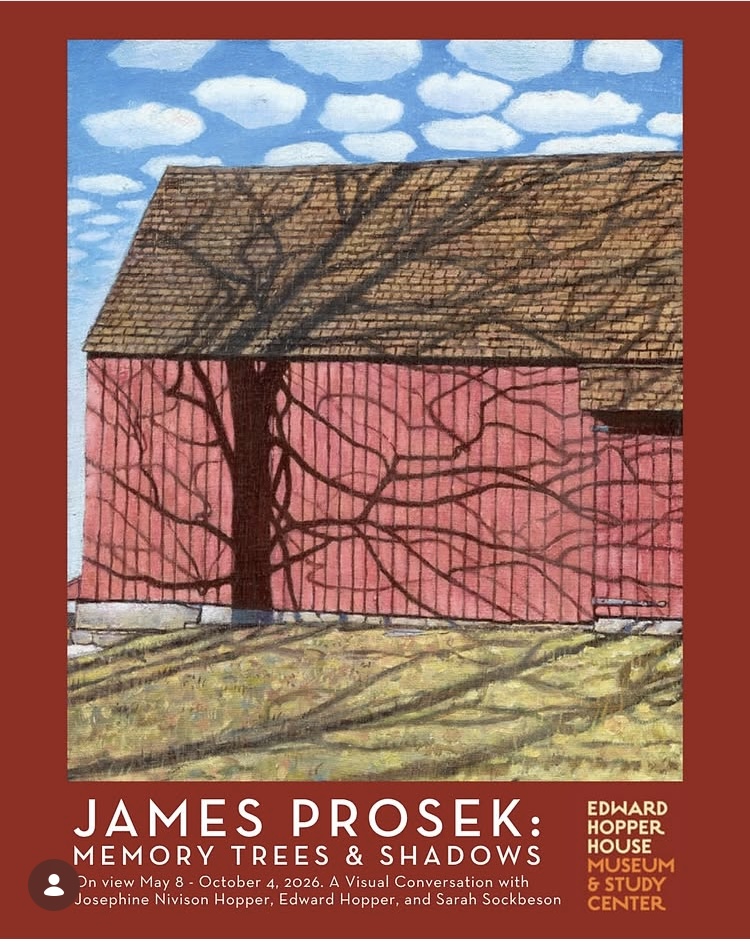
He has also recently authored a catalogue depicting his latest exhibit at the Edward Hopper Museum in Nyack New York, entitled, Memory Trees and Shadows.
James remains a significant part of local preservation ventures, which in the past, have included collaborations with Trout Brook Valley Preserve, Mill River Heritage Project, Connecticut Audubon Bird Craft Museum and Connecticut Audubon Society. He is also on the board of the Nature Conservancy in Connecticut.
James’s environmentally themed paintings have been compared to those of American ornithologist, naturalist, and painter, James Audubon. His exhibits have been showcased at many venues throughout the world.
To see a complete list of James Prosek’s publications, exhibits, lectures and videos, including his inspirational TED Talk, visit his website.
Additional Links: